

Whoa! This is about Solana wallet extensions and handling NFTs securely. A lot of people get tripped up by the interface. At first glance the words “connect” and “approve” look like small decisions, but they can cascade into losing access to tokens or NFTs if you aren’t careful. Here I want to walk through practical, realistic steps.
Seriously? If you’re new to browser wallets, take it slow and test. Use tiny amounts first, and double-check the website domains carefully. Initially I thought a wallet extension was just a key manager, but then I realized it’s the gateway to every dApp interaction and token approval on that browser, so the stakes are higher than the UI might suggest. My instinct said treat approvals like legal contracts, not casual clicks.
Hmm… One simple improvement is auditing your wallet approvals on a weekly basis. Browser extensions make it easy to connect, but that convenience has trade-offs. On one hand the extension stores private keys locally which reduces risk from centralized servers, though actually that also means a compromised machine or browser profile can expose everything unless you take extra steps like disabling automatic approvals and isolating accounts. Here’s what really bugs me about default settings and UX nudges toward quick approvals.
Here’s the thing. Extensions like Phantom and others add useful features for NFTs and tokens. They let you view collections, sign transactions, and manage multiple accounts from one place. Something felt off about how many people confuse “connected” with “trusted”, and when I dig into forums, threads, and wallet support docs, the same misunderstandings keep showing up, which is frustrating because a little caution would block a lot of scams. I’ll be honest, the UX nudges toward ‘connect’ are very very persuasive.
Wow! NFTs complicate things further because metadata and royalties are separate layers. A collector thinks they own art, but ownership on-chain and off-chain rights can diverge. On Solana, NFTs are often small programs or accounts with pointers to metadata hosted elsewhere, and when marketplaces change how they display or when metadata links rot, your “owned” NFT might not render the same way or might even lose associated media if hosting disappears. So always preserve your own copies and document provenance.
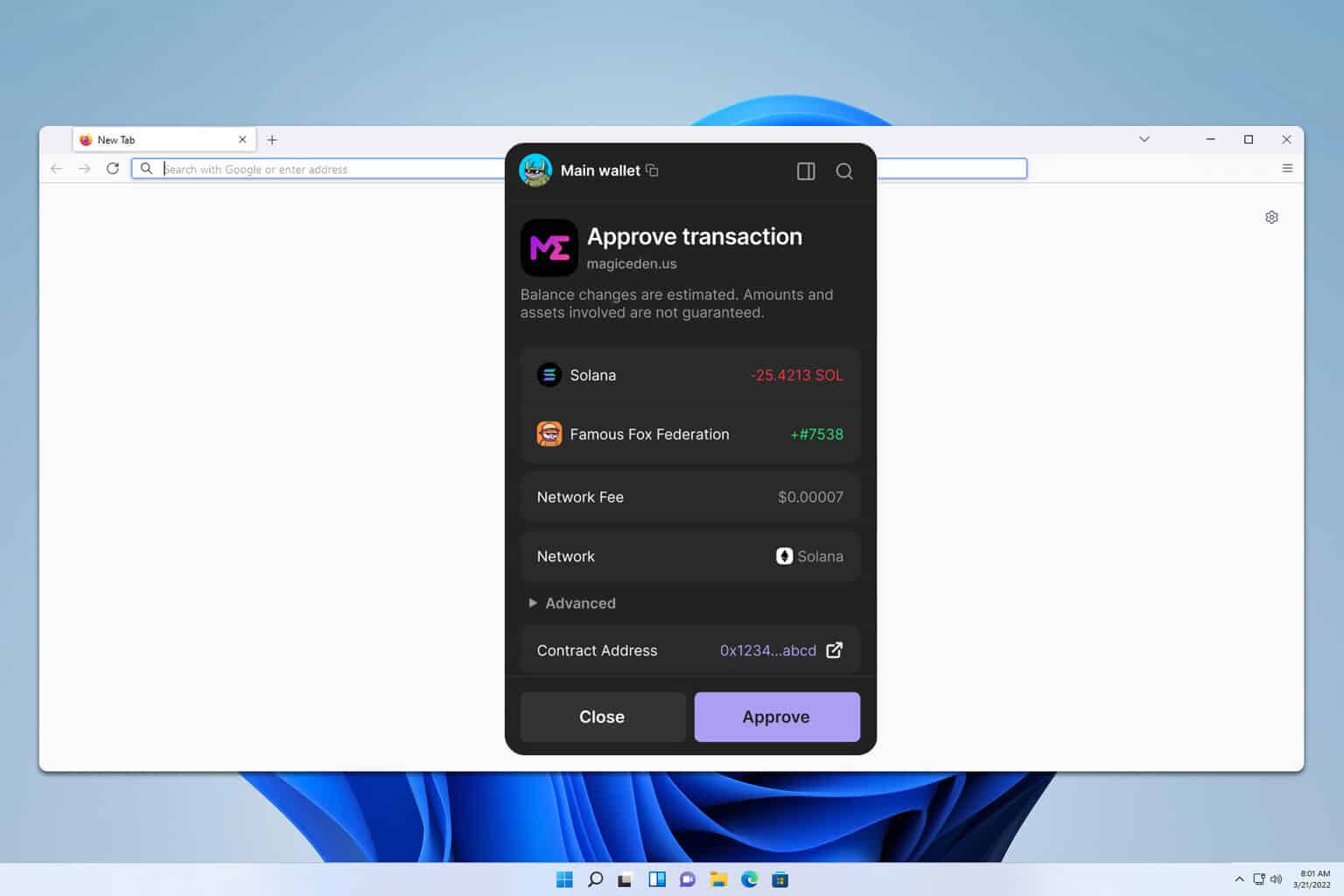
Really? A good browser extension will have hardware wallet integrations to reduce key exposure. Enable Ledger or similar hardware devices for high-value holdings and long-term storage. That said, hardware setup has its own learning curve and if you’re careless with PINs or recovery phrases during initialization, advantages disappear, though support communities and guides help a lot if you follow them slowly. Also consider separate browser profiles and dedicated extension setups for different wallets.
Okay, so check this out— One practical habit is renaming accounts with purpose-based tags. You can have a ‘marketplace’ wallet for temporary trades and a ‘cold’ wallet for storage. On the other hand, managing many accounts increases complexity and phishing vectors, so document which account holds what, keep backups in encrypted vaults, and occasionally test recovery in a safe environment before assuming everything will work if something goes wrong. I’m not 100% sure about every dApp’s approval semantics.
Somethin’ felt off about some marketplace flows. Watch for smart contract upgradeability flags and shared approvals on collections. Revoke approvals when you’re done, and use vetted revocation services after verifying them. Actually, wait—let me rephrase that: don’t blindly rely on third-party revokers without checking the contract addresses and making sure the tool itself doesn’t request extra permissions, because attackers sometimes make counterfeit utilities that look legitimate. Protect recovery phrases like they’re the master key they are.
Wow! Performance on Solana is fast and fees are low, which feels freeing. Though actually, low fees increase the volume of malicious attempts because attackers can spam tiny transactions cheaply, so vigilance matters even when the gas price seems negligible. If you want a friendly, widely used extension, try a tested option. Start with a small test NFT or token swap and learn the prompts.
Try a widely recommended option
For a familiar, well-documented wallet extension many in the community point to phantom wallet as a solid starting place (oh, and by the way, always verify downloads from official sources).
Quick checklist before you click connect: confirm the URL, scope the approval, test with a tiny amount, and consider hardware safeguards. These steps feel basic, but they stop 80% of mistakes I see called out in forums and help threads.
FAQ
How should I store my recovery phrase?
Store it offline, ideally in a secure physical form (engraved steel if you’re serious), avoid phone photos, and keep a redundant copy in a separate, secure location—encrypted digital vaults work for some people, but treat them with caution.